

Elevator Control Cable: Types, Uses, Features and Selection Guide
Elevators are an important part of residential buildings, commercial complexes, hospitals, hotels, shopping centres and industrial facilities. Behind the smooth movement of an elevator is a complete electrical and control system that connects different components and transfers signals safely.
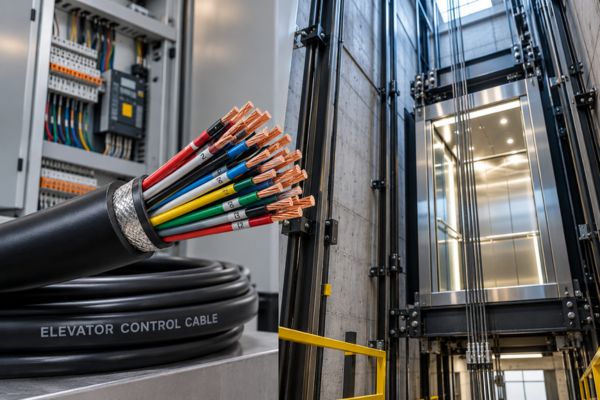
An Elevator Control Cable plays an important role in this system. It helps transmit control signals between elevator components and supports reliable communication during daily operation. Choosing the right cable is important for safety, performance and long-term reliability.
This guide explains elevator control cables, their applications, important features and factors to consider before selecting one.
What Is an Elevator Control Cable?
An Elevator Control Cable is specially designed for electrical control and signal transmission in elevator and lift systems. These cables connect various electrical components such as controllers, operating panels, switches, sensors and other elevator equipment.
Depending on the elevator design, control cables may contain multiple cores to handle different control circuits and signal requirements.
Where Are Elevator Control Cables Used?
Elevator control cables are commonly used in:
- Passenger elevators
- Goods lifts
- Hospital elevators
- Commercial elevators
- Residential elevators
- Industrial lifts
- Machine-room elevator systems
- Elevator control panels
- Lift operating systems
The exact cable specification depends on the elevator design, electrical requirements and installation conditions.
Key Features of a Good Elevator Control Cable
Flexible Construction
Elevator installations may require cables that can be routed easily through panels, shafts and equipment areas. Suitable flexibility makes installation and maintenance easier.
Multi Core Design
Many elevator control systems require several electrical connections. Multi core control cables allow multiple circuits to be accommodated within a single cable construction.
Reliable Signal Transmission
Consistent signal transmission is important for proper communication between controllers, switches, sensors and operating devices.
Durable Insulation
Quality insulation helps protect conductors from electrical and environmental conditions while supporting long service life.
Suitable for Elevator Applications
Elevator cables should be selected according to voltage, number of cores, conductor size, flexibility, installation method and operating conditions.
Elevator Control Cable vs Elevator Travelling Cable
Although both cables are used in elevator systems, their applications can differ.
| Feature | Elevator Control Cable | Elevator Travelling Cable |
|---|---|---|
| Main Purpose | Control and signal transmission | Connection with moving elevator car |
| Movement | Often used in fixed installations | Designed for repeated movement |
| Construction | Application-specific multi core cable | Highly flexible construction |
| Application | Panels, controllers and equipment | Elevator car and travelling system |
| Selection | Based on control requirements | Based on movement and travel conditions |
Applications of Elevator Control Cables
Elevator control cables can support connections involving:
- Elevator control panels
- Push button systems
- Floor selection controls
- Door control systems
- Safety circuits
- Sensors and switches
- Indicators
- Alarm systems
- Communication circuits
- Other electrical control components
How to Select the Right Elevator Control Cable
1. Check the Number of Cores
Determine how many electrical connections are required. Elevator control cables are available in different multi core configurations according to application requirements.
2. Select the Correct Conductor Size
The conductor size should be selected according to electrical load, circuit requirements and elevator specifications.
3. Consider Flexibility
Check whether the cable will remain stationary or experience movement during operation. This determines the level of flexibility required.
4. Check Insulation Requirements
Insulation should be suitable for the voltage, operating environment and installation conditions.
5. Consider Installation Conditions
Temperature, bending, routing space and surrounding equipment should be considered before final cable selection.
6. Consult the Cable Manufacturer
For custom or industrial requirements, sharing technical specifications with an Elevator Control Cable Manufacturer can help identify the appropriate cable configuration.
Frequently Asked Questions
An elevator control cable is used to transmit electrical signals between control panels, switches, sensors and other components of an elevator system.
No. Control cables are primarily used for electrical control and signal connections, while travelling cables are specifically designed to accommodate repeated movement with the elevator car.
Yes. Multi core elevator control cables can be produced in different configurations according to the electrical and control requirements of the elevator system.
Consider the number of cores, conductor size, voltage, flexibility, insulation, installation conditions and elevator manufacturer’s specifications.
They are used in passenger lifts, goods lifts, residential elevators, commercial elevators, hospital lifts and various elevator control systems.
Depending on manufacturing capabilities, cable specifications may be customized according to core count, conductor size, insulation and application requirements.
Suitable flexibility helps with installation, routing and applications where the cable may experience bending or movement.
Industrial buyers can work with an elevator cable manufacturer in Ahmedabad that provides cables according to elevator control, installation and technical requirements.
Conclusion
An Elevator Control Cable is an essential part of an elevator’s electrical and control system. Selecting the correct cable helps ensure reliable signal transmission, proper system operation and long-term performance.
Before purchasing, consider the number of cores, conductor size, insulation, flexibility and installation environment. Working with an experienced Elevator Control Cable Manufacturer can also help ensure that the cable specification matches the requirements of your elevator application.